Blog
Sourcing Urology Drainage Products as an OEM Kit: Compatibility, Certification, and the Questions That Prevent Costly Rework

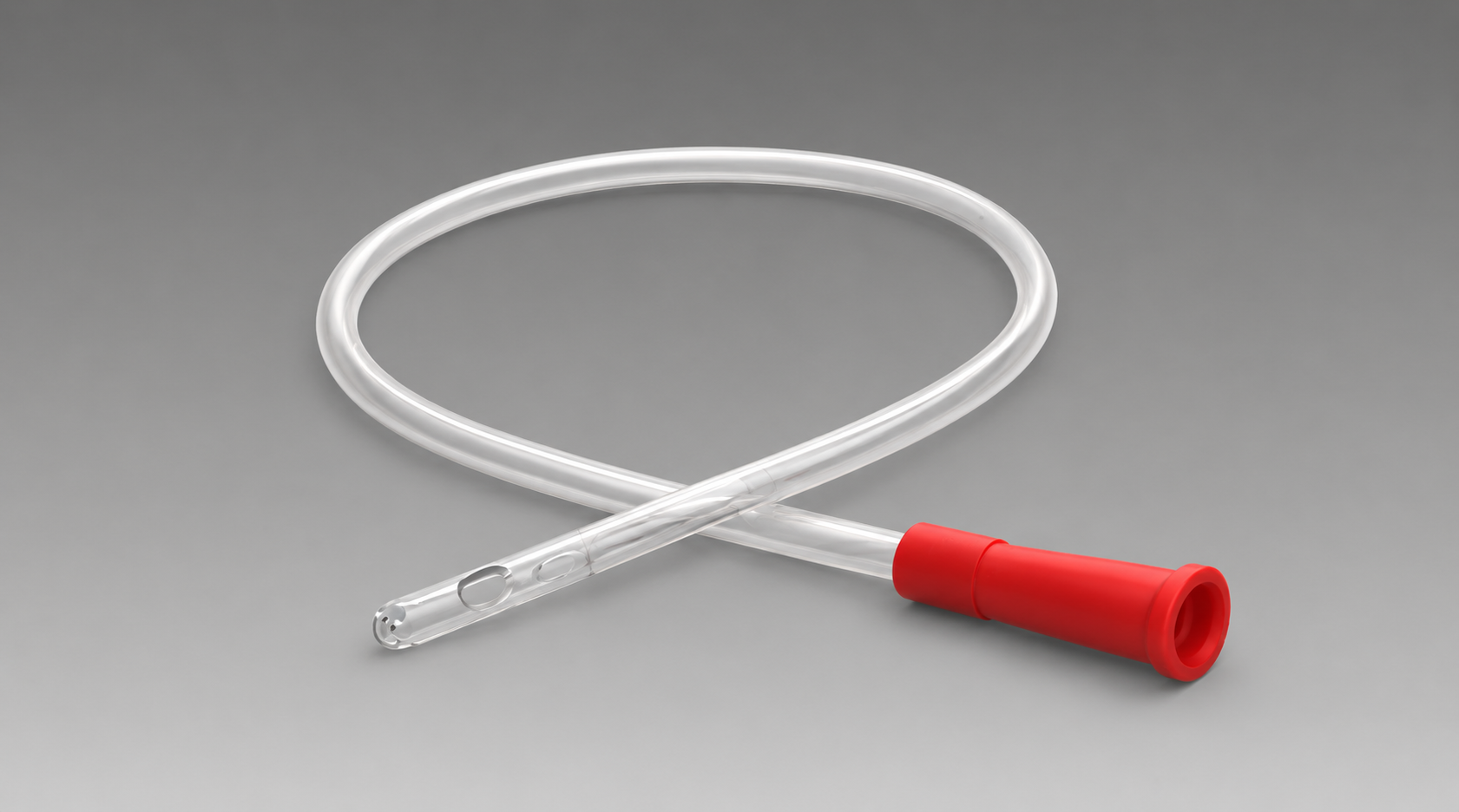
Urology drainage products — catheters, drainage bags, connecting tubes, and the kits that bundle them — are deceptively easy to source individually and surprisingly difficult to source as a coherent, compatible system. A catheter from one manufacturer, a drainage bag from another, and connector tubing from a third can each pass quality inspection independently while still producing a poor fit when assembled, because connector geometry, tubing diameter tolerances, and packaging conventions are not fully standardized across the industry. For an OEM buyer assembling kits for distribution, getting this wrong after a production run is already underway is an expensive mistake to fix.
Connector Compatibility Is the First Thing to Verify
The catheter funnel end and the drainage bag’s tubing connector need to mate securely without leaking, and this is where mismatches most commonly occur when components are sourced from different manufacturers. While there is broad industry convention around standard catheter funnel sizing, manufacturers vary in tolerance and exact geometry. Before locking in a multi-supplier kit configuration, request physical samples of both components and test the connection under realistic conditions — not just a dry fit, but a fit that holds under the pressure and movement a patient would generate during normal use.
If your kit will be assembled by a third-party packager rather than in-house, communicate connector specifications explicitly in the assembly instructions, including acceptable tolerance ranges, rather than assuming the packager will catch a mismatch during assembly. Packagers working at volume often do not perform functional testing on every unit, so a systemic mismatch can ship in volume before it’s caught.
Material Consistency Across Kit Components
Latex content is the most consequential material question for a urology kit, because a single latex component in an otherwise latex-free kit defeats the purpose of latex-free labeling and creates liability exposure. Confirm latex content — not just “latex-free” claims, but the underlying material composition — for every component independently: catheter, balloon, drainage bag, tubing, and any gaskets or seals. Some manufacturers use latex internally in components not visible to the end user, such as balloon material in an otherwise PVC catheter shaft, which can be missed if material verification is done only at the product-level label rather than the component level.
Sterilization Method and Shelf Life Alignment
Catheters and drainage bags are typically sterilized using ethylene oxide (EtO) or gamma irradiation, and the method affects both shelf life and material compatibility. EtO sterilization is gentler on certain polymers but requires aeration time to clear residual gas, which affects manufacturing lead time. Gamma irradiation has no residual gas concern but can affect the mechanical properties of some plastics over time, particularly with repeated exposure during multi-step sterilization if components are sterilized separately before final kit assembly and then re-sterilized as a unit.
If your kit combines components sterilized by different methods or at different manufacturing sites, confirm whether final kit sterilization is performed after assembly or whether each component retains its individual sterile barrier within a combined outer package. The two approaches have different shelf life implications and different packaging validation requirements, and getting this wrong can mean a kit that fails sterility assurance testing despite each individual component being sterile on its own.
Regulatory Classification for Combination Kits
A kit combining a catheter and drainage bag may be classified differently than the sum of its individual components, depending on the regulatory jurisdiction. In some markets, a pre-assembled catheter and bag system sold as a unit requires its own registration distinct from the individual component registrations, particularly if marketing claims describe the kit’s combined performance — closed system infection rates, for example — rather than just listing component specifications. Confirm with your regulatory counsel early in the sourcing process whether your target market treats the assembled kit as a new device requiring separate registration, since this affects both timeline and the documentation you need from each component supplier.
Packaging and Labeling Coordination
When sourcing components from multiple suppliers for a single kit, lot traceability needs to work across the whole assembly, not just within each individual component’s packaging. The finished kit’s labeling should allow traceability back to each component’s individual lot number in case of a field issue, which means your assembly process needs a system for recording which catheter lot was paired with which drainage bag lot in each kit production run. This sounds like an administrative detail until a complaint or recall requires tracing the affected population, at which point inadequate lot-pairing records can force a much broader recall than the actual defect would otherwise require.
Working with a Single Manufacturer Across the Kit
Many of the compatibility and traceability issues above are simplified considerably when catheter, drainage bag, and connecting tubing are sourced from a single manufacturer that has already validated the fit between its own components. This does not eliminate the need for independent verification — buyers should still confirm fit and function on incoming samples — but it removes the cross-manufacturer tolerance stacking that creates the most common compatibility failures, and it consolidates lot traceability and sterilization documentation under one quality system rather than three.
Changfeng Medical manufactures Foley catheters, urine drainage bags, and connecting components as part of an integrated urology product line, with compatibility validated across our own catalog. ISO 13485, CE, and MDSAP documentation is available to support OEM kit registration. Contact us through our product catalog for specifications and sample requests.