
Blog
Foley Catheter Sizing: French Gauge, Balloon Volume, and What Distributors Should Confirm Before Stocking a New SKU

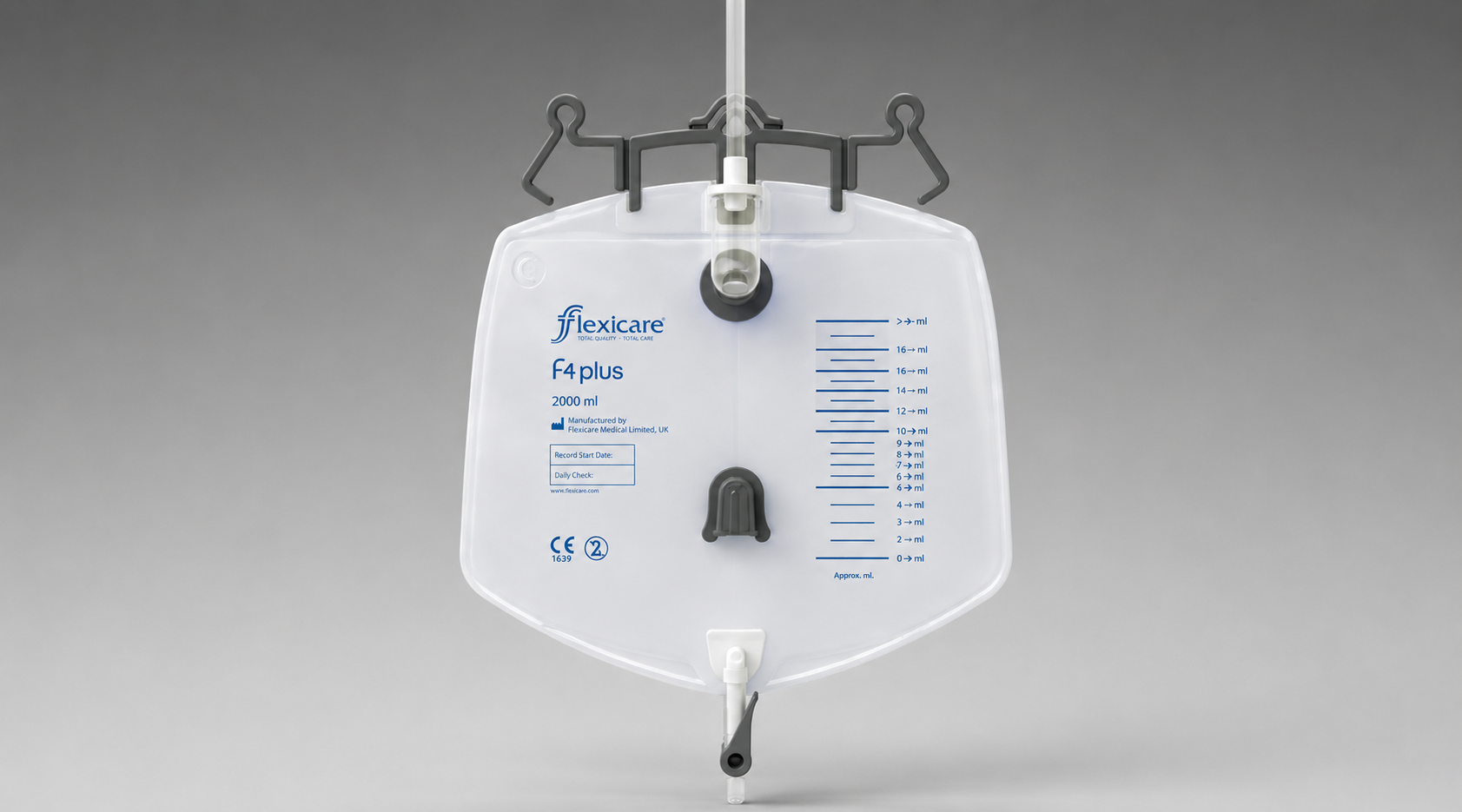
Foley catheter sizing looks simple on the surface — a number followed by “Fr” printed on the packaging — but the French gauge system only tells part of the story. Outer diameter, balloon volume, tip design, and material each affect clinical suitability, and a distributor stocking the wrong combination for their primary market segment ends up with inventory that sits on the shelf or gets returned. This guide covers what the French scale actually measures, how balloon volume and tip type interact with sizing, and the questions worth asking before adding a new Foley catheter SKU to your line.
What French Gauge Actually Measures
The French scale measures the outer diameter of the catheter shaft, with each French unit equal to 0.33 mm. A 15 Fr catheter therefore has an outer diameter of roughly 5 mm. The conversion is straightforward — multiply the diameter in millimeters by three to get the French size — but the practical implication for sourcing is that French size and lumen capacity are not the same thing. Two catheters at the same French size can have different internal lumen diameters depending on wall thickness and the number of internal channels, which matters for drainage flow rate in patients with thick or sediment-heavy urine.
Most adult catheter ranges run from 10 Fr to 24 Fr, with 14 Fr to 18 Fr covering the bulk of routine adult use. The CDC’s longstanding guidance for prevention of catheter-associated urinary tract infections recommends using the smallest diameter catheter that still provides adequate drainage, since larger diameters increase urethral trauma risk without a proportional drainage benefit for most patients. Sizes above 20 Fr are generally reserved for specific indications such as hematuria management, where larger eyelets are needed to pass blood clots.
Balloon Volume Is a Separate Specification
Balloon size is independent of French size and must be specified separately on the packaging. The two standard balloon volumes are 5 mL and 10 mL, with both typically inflated using 10 mL of sterile water per manufacturer instructions — the inflation volume is not necessarily equal to the labeled balloon capacity, which is a common point of confusion for end users and a detail worth highlighting in your product documentation. Larger balloon volumes, ranging from 30 mL up to 60 mL, are used in specific post-surgical or hemostatic applications where the balloon itself provides pressure against the bladder neck.
For distributors, balloon volume mismatch between what’s printed on the packaging and what’s molded into the actual catheter is a quality issue that surfaces in clinical complaints, not in incoming inspection — since visual inspection alone cannot confirm balloon capacity. Request balloon volume verification data from your supplier as part of standard lot documentation, not just a specification sheet.
2-Way vs. 3-Way Catheters
A standard 2-way Foley catheter has two channels: one for urine drainage and one for balloon inflation. A 3-way catheter adds a third channel for continuous bladder irrigation, used most often in post-urological-surgery settings where clot evacuation or saline irrigation is required. Three-way catheters typically run larger — 16 Fr to 26 Fr — because the additional lumen increases the shaft’s overall diameter even at the same effective drainage capacity as a comparable 2-way catheter.
If your distribution channel serves both general ward and post-surgical urology markets, stocking both configurations across your core size range is usually necessary — a 2-way-only catalog leaves a gap that competitors with broader urology lines will fill.
Tip Design: Straight vs. Coude
Standard Foley catheters have a straight tip, suitable for most patients. Coude-tip catheters have a curved, slightly bulbous tip designed to navigate around obstructions in the male urethra — most commonly an enlarged prostate. The curve allows the catheter to be directed along the natural curvature of the prostatic urethra rather than meeting resistance head-on. Coude catheters are typically marked with a colored indicator at the funnel end so clinicians can orient the curve correctly during insertion without needing to see the tip directly.
For markets with an aging male population and correspondingly higher rates of benign prostatic hyperplasia, coude-tip availability across your core size range is a meaningful differentiator. Confirm with your manufacturer whether the curve angle and tip rigidity have been validated for ease of insertion, since a coude tip that is too rigid can itself cause trauma if not handled carefully.
Material: Latex, Silicone, and Coated Options
Material selection affects both patient comfort and regulatory labeling requirements. Pure silicone catheters are softer on the urethral lining, have a larger internal lumen relative to outer diameter due to thinner wall construction, and are generally preferred for longer indwelling periods. Latex catheters, often coated with silicone or hydrogel to reduce friction, remain in use in markets where cost sensitivity is high, but require clear latex-content labeling due to the risk of allergic reaction in sensitized patients.
Antimicrobial-coated catheters — using silver alloy or nitrofurazone coatings — show evidence of reducing short-term asymptomatic bacteriuria, though the cost premium needs to be weighed against the clinical use case. For distributors serving long-term care facilities where extended indwelling time and CAUTI risk are bigger concerns than acute hospital settings, offering a coated option alongside standard catheters addresses a real purchasing consideration for infection control committees.
Building a Practical Size Range
For a distributor building out a Foley catheter line from scratch, a practical core range covers 12 Fr through 18 Fr in 2 Fr increments for general adult use, with 20 Fr and above available for specific surgical or hematuria indications. Pediatric sizing — typically 6 Fr to 10 Fr — is a separate product line with its own balloon volume and material considerations given the smaller, more delicate urethral anatomy involved. Stocking the full adult range with both straight and coude tip options, in both 2-way and 3-way configurations where volume justifies it, covers the majority of standard procurement requests without requiring an unwieldy SKU count.
Changfeng Medical manufactures urology drainage products including Foley catheters across standard size and configuration ranges. Specifications and sample requests are available through our product catalog.