
Blog
Paracentesis Needle vs. Thoracentesis Needle: Gauge, Sizing, and Sourcing Guide for Distributors

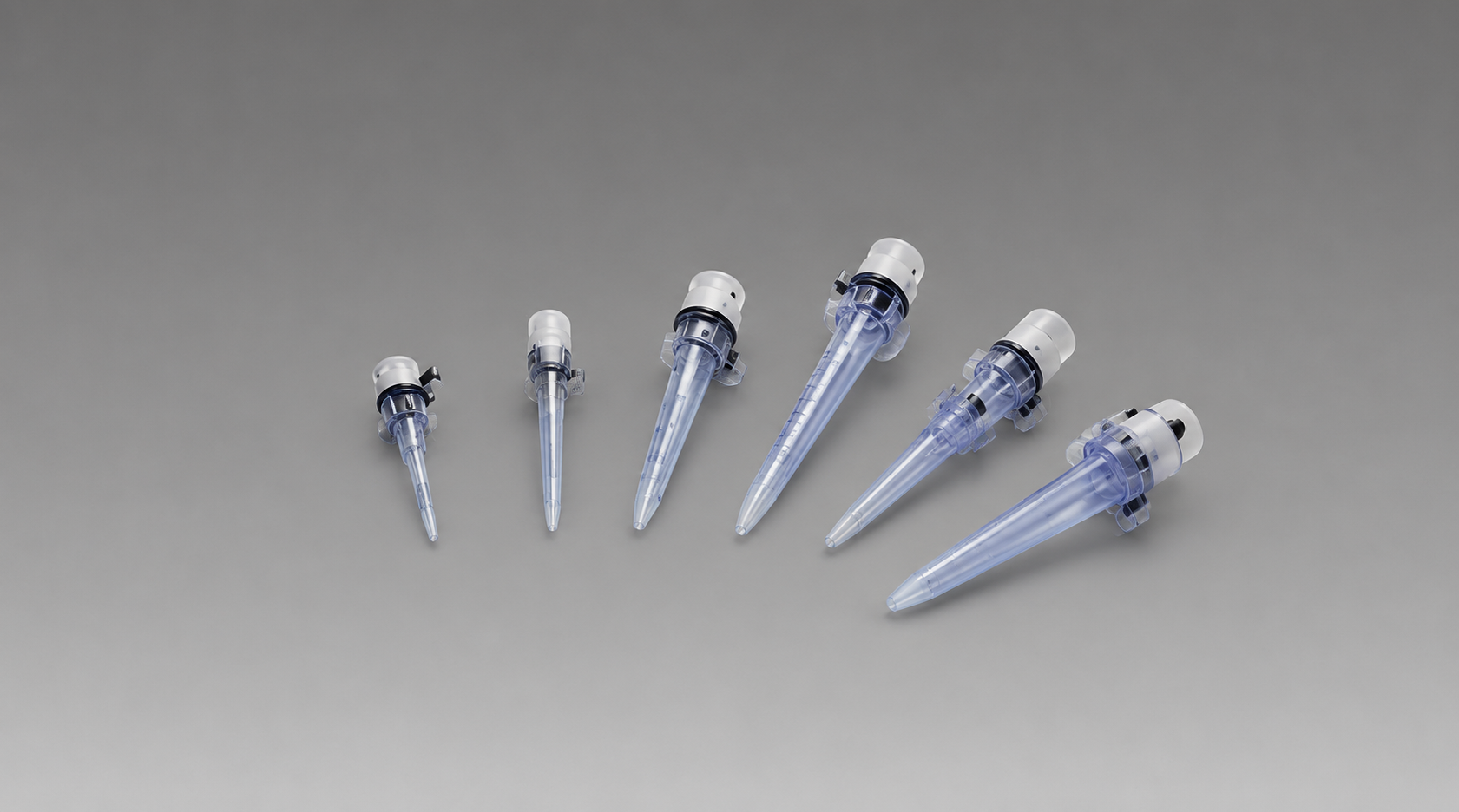
Fluid aspiration procedures sit at an unusual intersection in hospital procurement. They are common enough that nearly every internal medicine, emergency, and pulmonology department performs them routinely, yet specific enough that many general distributors have never carried a dedicated line for them. Paracentesis and thoracentesis needles fall into that category — devices clinicians reach for several times a week in some departments, but products that rarely get the attention given to higher-volume disposables like syringes or IV catheters. For a distributor evaluating whether to bring these into a portfolio, understanding what differentiates a clinically reliable aspiration needle from a generic one, and what sizing range a buyer actually needs to stock, matters more than it might first appear.
What Paracentesis and Thoracentesis Needles Are Used For
Paracentesis needles are used for peritoneal fluid procedures: draining ascites in patients with liver disease or malignancy, or sampling peritoneal fluid for diagnostic purposes when a clinician suspects infection, malignant cells, or other pathology. Thoracentesis needles serve a parallel function in the pleural space, used to drain pleural effusions, sample fluid for diagnostic workup, or manage pneumothorax. Anatomically and procedurally the two share a great deal — both are percutaneous procedures performed at the bedside or under ultrasound guidance, both depend on accurate depth control to avoid injuring underlying organs, and both require immediate, unambiguous confirmation that the needle has reached the target space before a clinician proceeds with aspiration or catheter exchange.
Gauge and Length Ranges Distributors Should Stock
Clinical reference sources point to a fairly consistent sizing pattern across both procedures, and it’s useful for a distributor to know this range before evaluating a supplier’s catalog. For diagnostic thoracentesis where only a small fluid volume is needed, clinicians typically reach for a smaller-bore needle in the 20- to 22-gauge range; therapeutic drainage of larger volumes more often uses an 18-gauge needle paired with an 8 French catheter. Paracentesis follows a similar pattern, with 18- to 20-gauge needles covering most standard procedures and longer needle lengths — often in the 7.5-inch (19 cm) range — kept in stock for larger-bodied patients where standard length needles don’t reach the peritoneal space reliably. A supplier offering only one gauge and one length is signaling a narrow production line, which becomes a real problem when a hospital system standardizes procurement around a single vendor and then discovers gaps in the size range partway through the contract.
Why the Hub, Depth Markings, and Connection Matter
The shared procedural logic behind both needle types is why their design features tend to converge. A transparent hub is not a cosmetic choice; it gives the clinician visual confirmation of fluid return the instant the needle tip enters the peritoneal or pleural space, which is the signal that triggers the next step of the procedure. Depth markings on the shaft serve a related purpose, letting the operator track insertion depth against expected anatomical landmarks rather than relying on feel alone. A secure Luer lock connection matters because these procedures often involve switching between a syringe for initial aspiration and a drainage tube or catheter for larger-volume removal, and a connection that loosens mid-procedure creates both a contamination risk and a delay that nobody wants during a bedside intervention. Needles intended for paracentesis sometimes add a side-port design as well, which supports continuous drainage when the procedure calls for it rather than requiring repeated needle repositioning.
What to Ask a New Aspiration Needle Supplier
Beyond gauge and length range, distributors evaluating a new supplier in this category should ask about sterilization method and packaging integrity early in the conversation. Ethylene oxide sterilization is standard for this device category, but distributors should confirm individual packaging, shelf-life dating, and that the manufacturer’s sterilization validation documentation is available on request, since hospital procurement and regulatory affairs teams will ask for it during vendor qualification. It’s also worth asking whether the supplier offers latex-free construction as standard rather than as a special-order variant, since latex sensitivity screening is now routine in most hospital intake protocols.
Bevel Quality Is Hard to Spec but Easy to Notice
Bevel sharpness and tip consistency are harder to evaluate from a spec sheet, but they are the attributes clinicians notice fastest and complain about loudest when they are inconsistent. A needle that requires excess force to penetrate tissue, or that produces a ragged rather than clean entry, generates negative feedback that travels quickly through a hospital’s clinical staff and back to whoever manages the supply contract. Distributors who can speak to a manufacturer’s quality control process for tip grinding and bevel angle — not just cite ISO certification, but describe what’s actually inspected at each production lot — tend to have an easier time addressing this concern when a buyer raises it.
Changfeng Medical manufactures both abdominal paracentesis needles and thoracentesis needles as part of its disposable interventional needle line, with multiple gauge and length configurations, EO sterilization, individual packaging, and ISO 13485 and CE certification, along with OEM and private label options for distributors building out a branded aspiration needle offering.
Frequently Asked Questions
What gauge needle is used for thoracentesis?
Diagnostic thoracentesis for small fluid volumes commonly uses a 20- to 22-gauge needle, while therapeutic drainage of larger pleural effusions typically uses an 18-gauge needle, often paired with an 8 French catheter for continuous drainage.
What gauge needle is used for paracentesis?
Most paracentesis procedures use an 18- to 20-gauge needle, with longer needle lengths around 7.5 inches (19 cm) kept available for patients where standard lengths don’t reliably reach the peritoneal space.
Is a paracentesis needle the same as a thoracentesis needle?
The two needle types share the same core design features — transparent hub, depth markings, Luer lock connection — because the procedures are mechanically similar. Many manufacturers produce them as a closely related product line, though gauge and length offerings differ to match each procedure’s typical fluid volume and anatomical depth.
What should a distributor confirm before adding a new aspiration needle supplier?
Confirm the full gauge and length range offered, sterilization method and validation documentation, individual packaging and shelf-life dating, latex-free construction, and the manufacturer’s quality control process for bevel and tip consistency.
For distributors weighing whether this category fits their current product mix, a conversation with the contact page is a reasonable next step before committing to a particular configuration or order volume.