Blog
Sourcing Interventional Needles as an OEM Partner: The Questions That Belong in the First Conversation

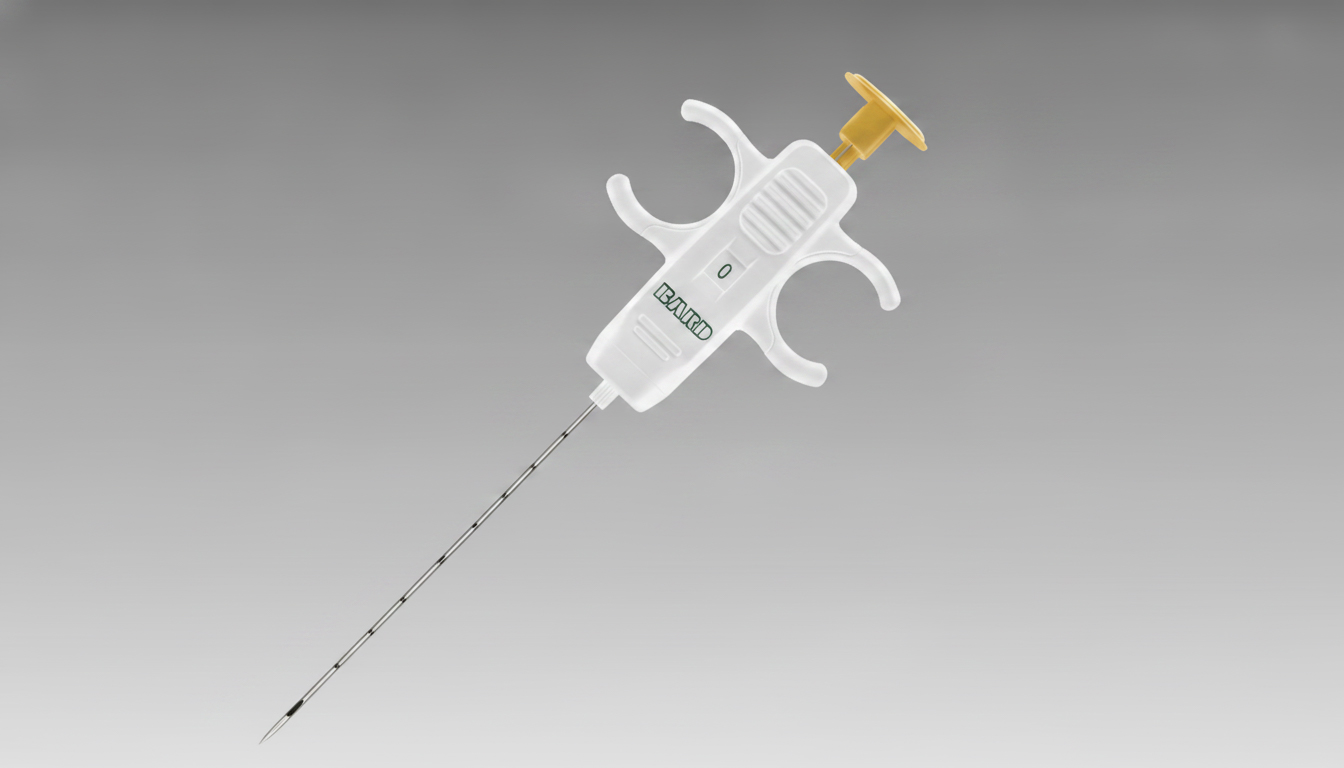
Bringing a new category of interventional needles into a private label or OEM program is a different exercise than adding a stocked SKU from an existing supplier relationship. Paracentesis, thoracentesis, and nerve block needles are precision devices used in procedures where the margin for tolerance variation is small, and the buyer taking on an OEM arrangement is effectively vouching for a manufacturing process they don’t directly control. The stakes behind getting this right are not abstract — clinical research on delayed diagnostic paracentesis has linked delays beyond twelve hours to a meaningfully higher mortality risk in patients with suspected infection, which is a reminder that the devices in this category are not interchangeable commodities even though they are manufactured at high volume. Getting the underlying questions answered before production begins, rather than after the first batch arrives, is what separates a smooth OEM relationship from one that generates rework, delay, and strained communication with the eventual end customer.
Start with Specification Documentation, Not Descriptions
The first set of questions concerns specification documentation. A buyer should ask for a complete technical drawing or specification sheet covering gauge, length, bevel angle, and tolerance ranges for each configuration in the proposed line, not a general description. For nerve block needles specifically, this should include detail on the echogenic tip treatment method and what testing the manufacturer performs to verify ultrasound visibility consistency across production batches. For paracentesis and thoracentesis needles, the spec should clearly state depth marking increments and Luer lock compatibility standards, since these are the features clinicians depend on most directly during the procedure. Any manufacturer unwilling or unable to produce this level of documentation before a contract is signed should be treated as a flag, not a formality to resolve later.
Sterilization and Lot-Level Quality Control
The second set of questions concerns sterilization and quality control validation. Ethylene oxide sterilization is standard across this device category, but EO sterilization validation is a documented, auditable process, and a buyer should request the manufacturer’s sterilization validation report along with information on residual EO testing, since regulatory bodies and hospital procurement teams increasingly ask about this directly. Beyond sterilization, ask specifically what is inspected at each production lot — bevel sharpness and consistency, tip integrity, hub connection security, and for echogenic needles, ultrasound visibility testing. A manufacturer that can describe this process in specific terms, rather than pointing only to an ISO 13485 certificate as a blanket assurance, is generally easier to work with when a quality issue does eventually need to be traced back to a production batch.
Packaging and Labeling Flexibility
The third area, often underweighted relative to its actual importance, is packaging and labeling flexibility for private label work. OEM buyers need to know early whether a manufacturer can accommodate custom packaging artwork, multilingual labeling requirements for the markets they serve, and any minimum order quantities tied to packaging changes versus the needle itself. Mismatches here surface late and expensively — a buyer who assumes packaging customization is included finds out otherwise when the first invoice or proof arrives, and resolving it after tooling or printing has already been committed costs more than addressing it in the initial scoping conversation.
Traceability Should Be Discussed, Not Assumed
Finally, traceability deserves explicit discussion rather than assumption. Distributors selling into hospital systems are increasingly asked by their own customers to provide lot-level traceability back to raw material and production date, particularly for any device used in invasive procedures. Confirming that a manufacturer’s lot numbering and record-keeping system supports this level of traceability — and that records are retained for a defined period consistent with the buyer’s regulatory obligations — avoids a difficult conversation later if a recall or quality investigation becomes necessary.
Changfeng Medical supports OEM and private label programs across its interventional needle line, including paracentesis, thoracentesis, and nerve block needles, manufactured under ISO 13485 and CE certification with documented sterilization validation and lot traceability.
Frequently Asked Questions
What documentation should an OEM buyer request before sourcing interventional needles?
A complete technical specification sheet covering gauge, length, bevel angle, and tolerance ranges; sterilization validation reports including residual EO testing; and documentation of lot-level quality control inspection points such as bevel consistency and hub connection security.
Why does sterilization validation matter for OEM contracts specifically?
EO sterilization validation is an auditable process that regulatory bodies and hospital procurement teams may request directly. An OEM buyer reselling under their own brand needs this documentation on hand, since they are effectively standing behind a manufacturing process they don’t operate themselves.
Can packaging and labeling be customized for private label orders?
Most manufacturers offering OEM programs can accommodate custom packaging artwork and multilingual labeling, but minimum order quantities tied to packaging changes vary, so this should be confirmed during the initial scoping conversation rather than assumed.
What level of traceability should a buyer expect from an interventional needle supplier?
Lot-level traceability back to raw material and production date, with records retained for a period consistent with the buyer’s own regulatory obligations, so that a recall or quality investigation can trace the affected population accurately.
Distributors evaluating a new OEM relationship in this category are welcome to start the specification conversation through the contact page.